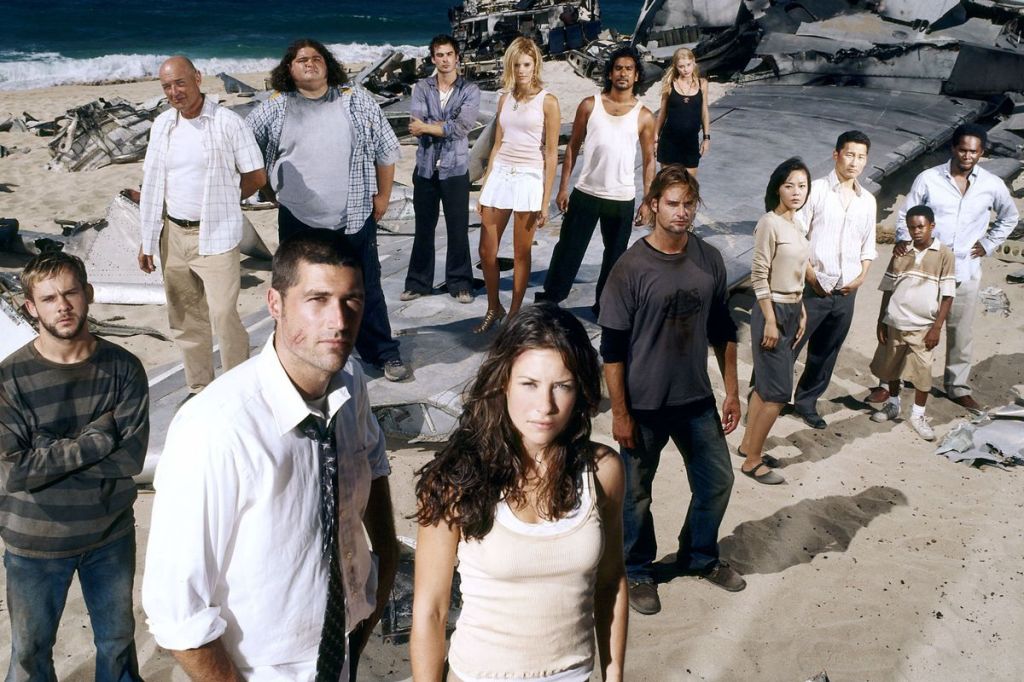
During the first episode of the TV show Lost, the characters find themselves stranded on a strange island after surviving a violent plane crash. As most pilot episodes do, the episode presented a lot of introduction to characters, their backstories, and their personalities.
I believe that viewers were given a great opportunity to learn about these characters and who they are as people during the very first scene – which takes place shortly after the crash. During this scene, our main character, Jack, walks out of the forest and onto the beach to find the other survivors from the crash in pure disarray and panic. All of the action that follows portrays Jack as a true leader in the group, based solely on his behaviors and actions.
I have chosen to portray Jack’s leadership behaviors based on the Path-Goal Leadership Theory. This theory is primarily task-oriented, and stems from a leader’s desire to motivate the follower in order to accomplish an overall goal. In the Path-Goal Leadership Theory, there are four styles/techniques/behaviors that a leader can use to motivate a follower: path-directing, goal-clarifying, supporting, and participating. During the action-packed scene in Lost mentioned above, I noticed the character Jack embodying three of the four techniques (path-directing, supporting, and participating).
Jack portrayed path-directing (telling people what to do) multiple times. A few examples of this are when he told Hugo to stay with Claire (the pregnant woman), when he told people to help him life a heavy piece of metal off of a man, and when he told people to stay away from the engine.
Jack portrayed supporting (offering help when someone is struggling) when he was trying to give CPR to a young woman whose alleged boyfriend (Boone) was panicking and trying to help. Instead of being rude or aggressive towards Boone, Jack told him to go find pens. When Boone came back with a bunch of pens (saying that he didn’t know which one would work best), Jack said that they were all good.
Jack portrayed participating (diving in and helping) each time he jumped in harms ways to save other people. One strong example of this was when he ran under a falling piece of metal to help Hugo get Claire away from the danger zone. Another example of Jack participating was when he called people over and helped them lift a heavy piece of metal off of a man who was screaming for help amidst the chaos.
 Jamie's Leadership Journey